We fund the work the world needs but won’t pay for.
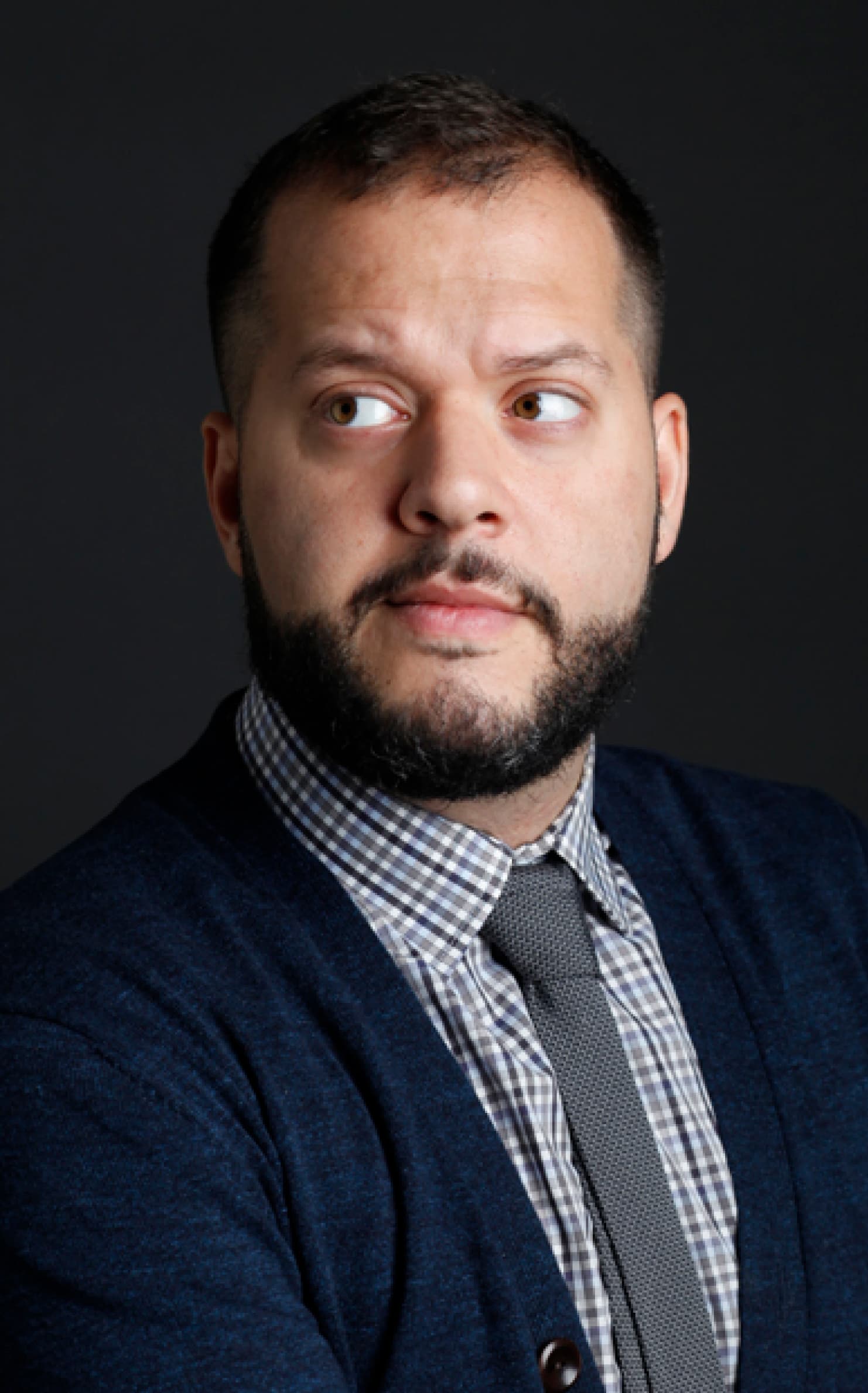
Jesse Brown
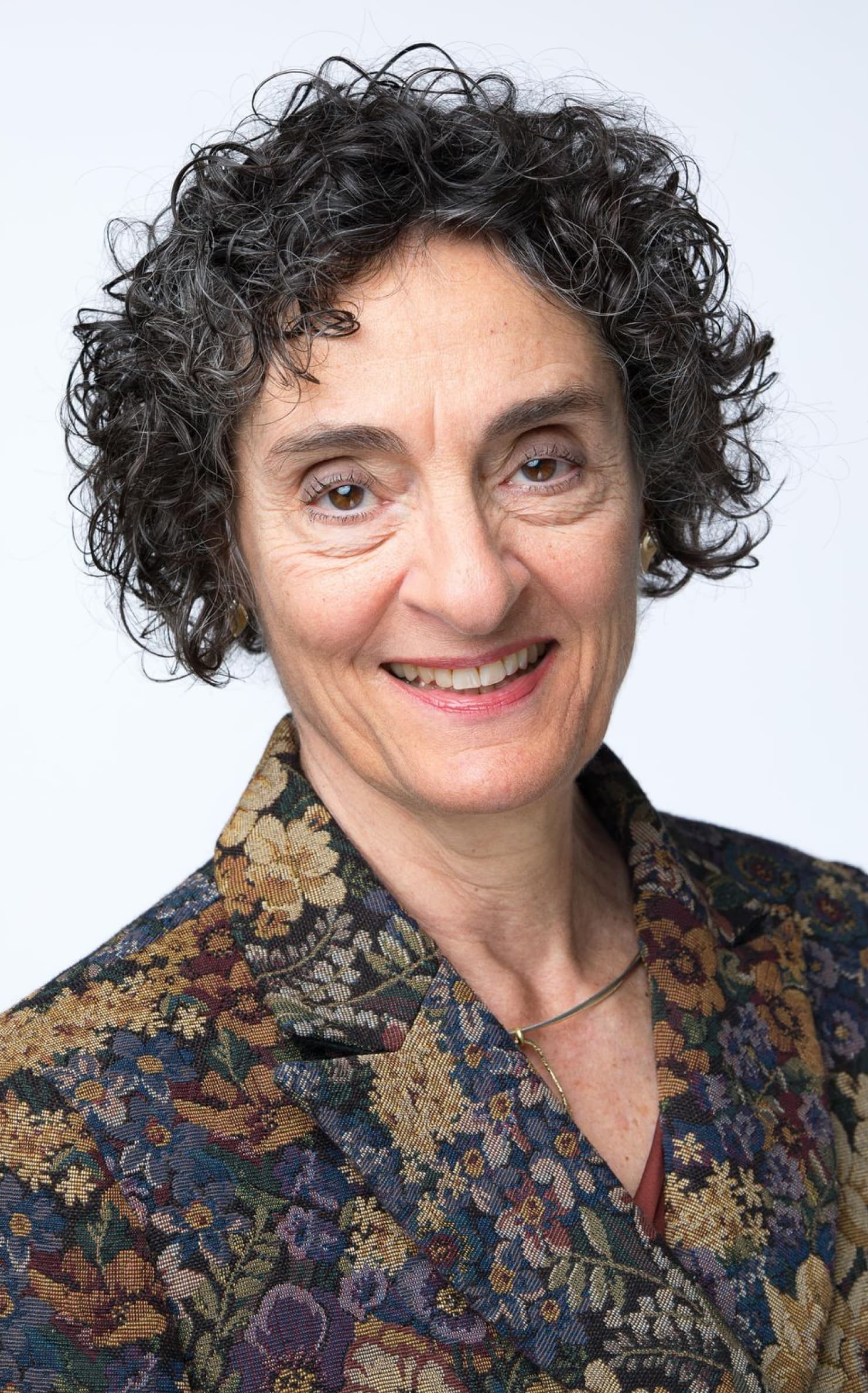
Dr. Carla Shatz
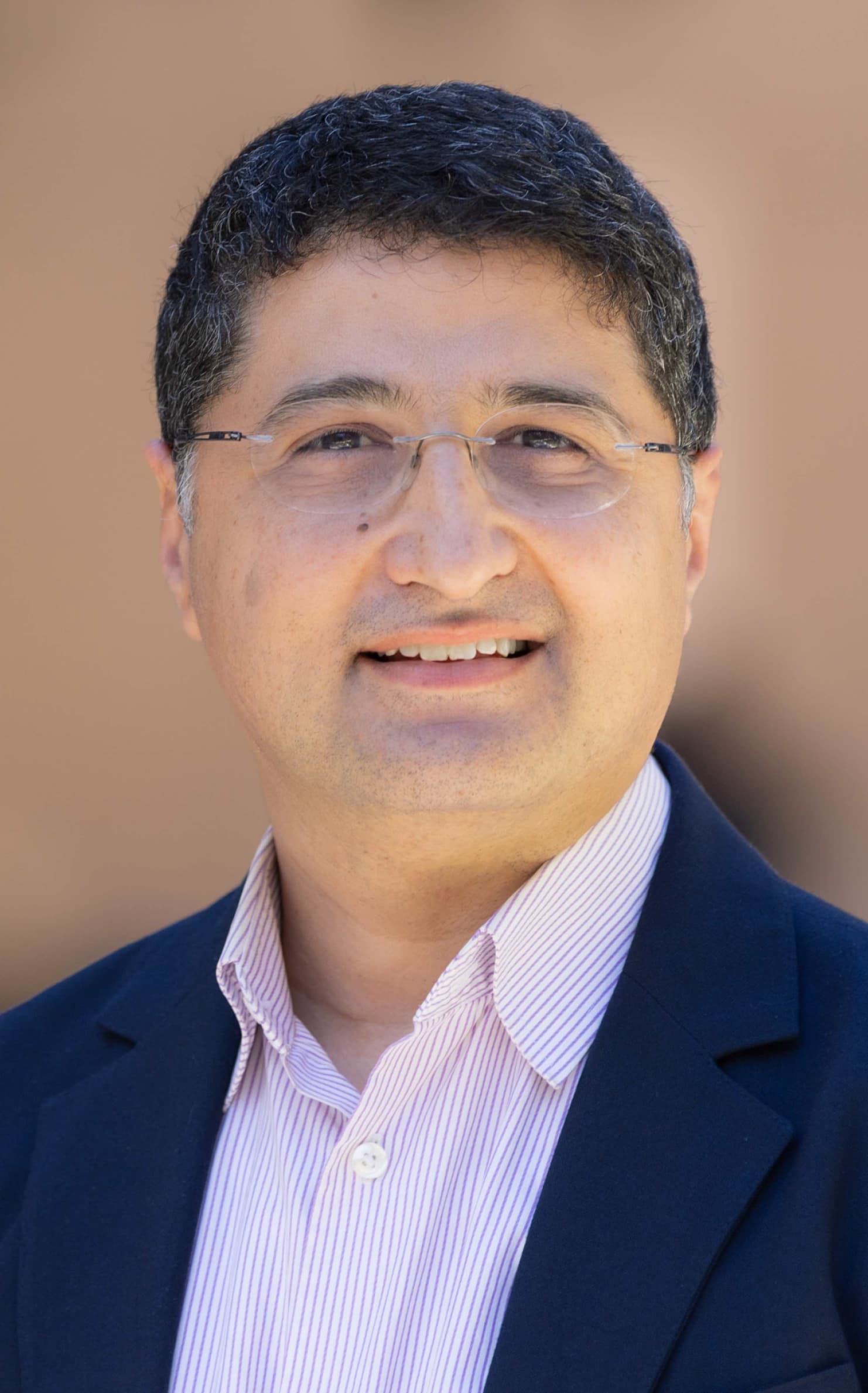
Dr. Hussein Yassine
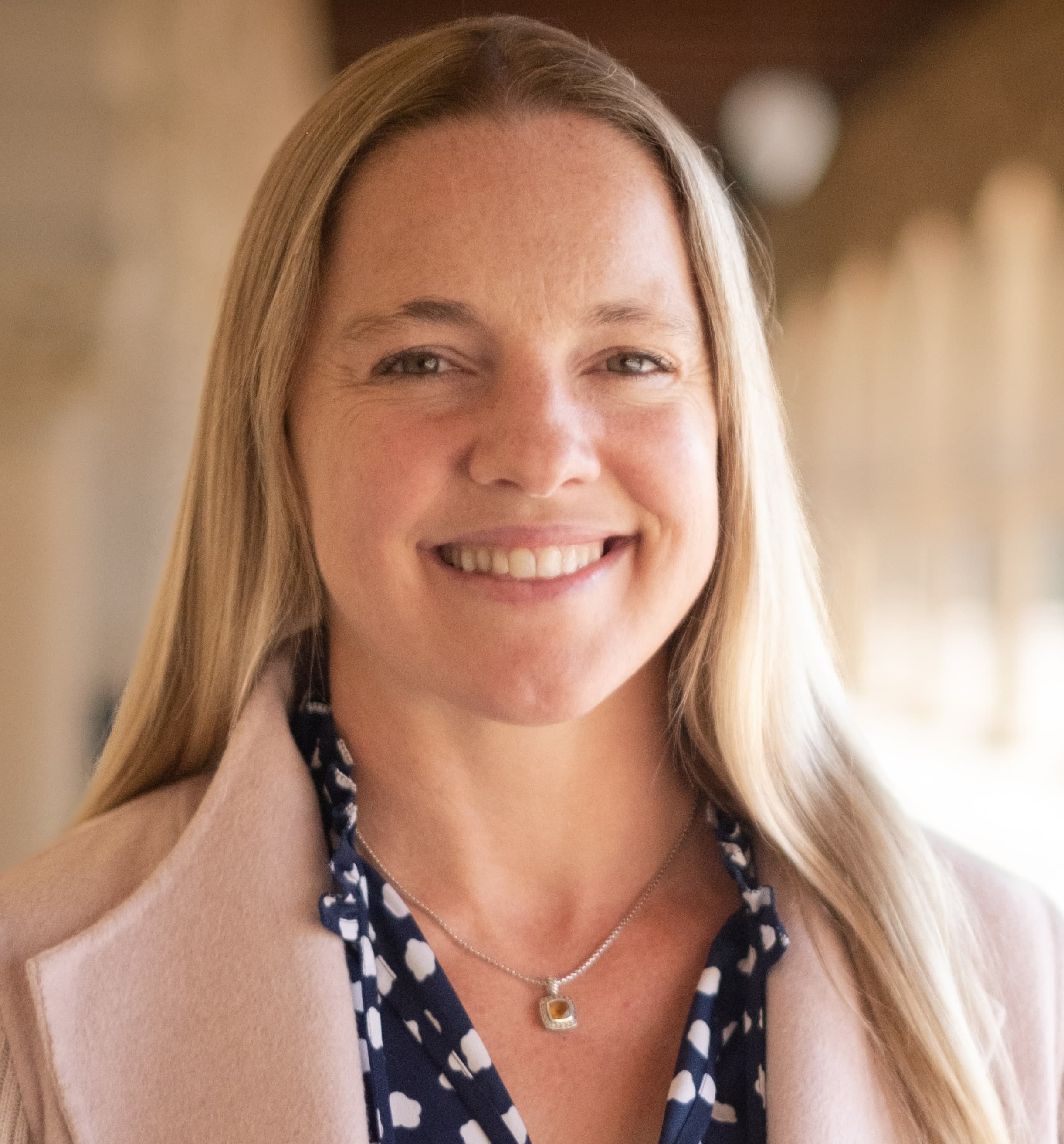
Dr. Alia Crum
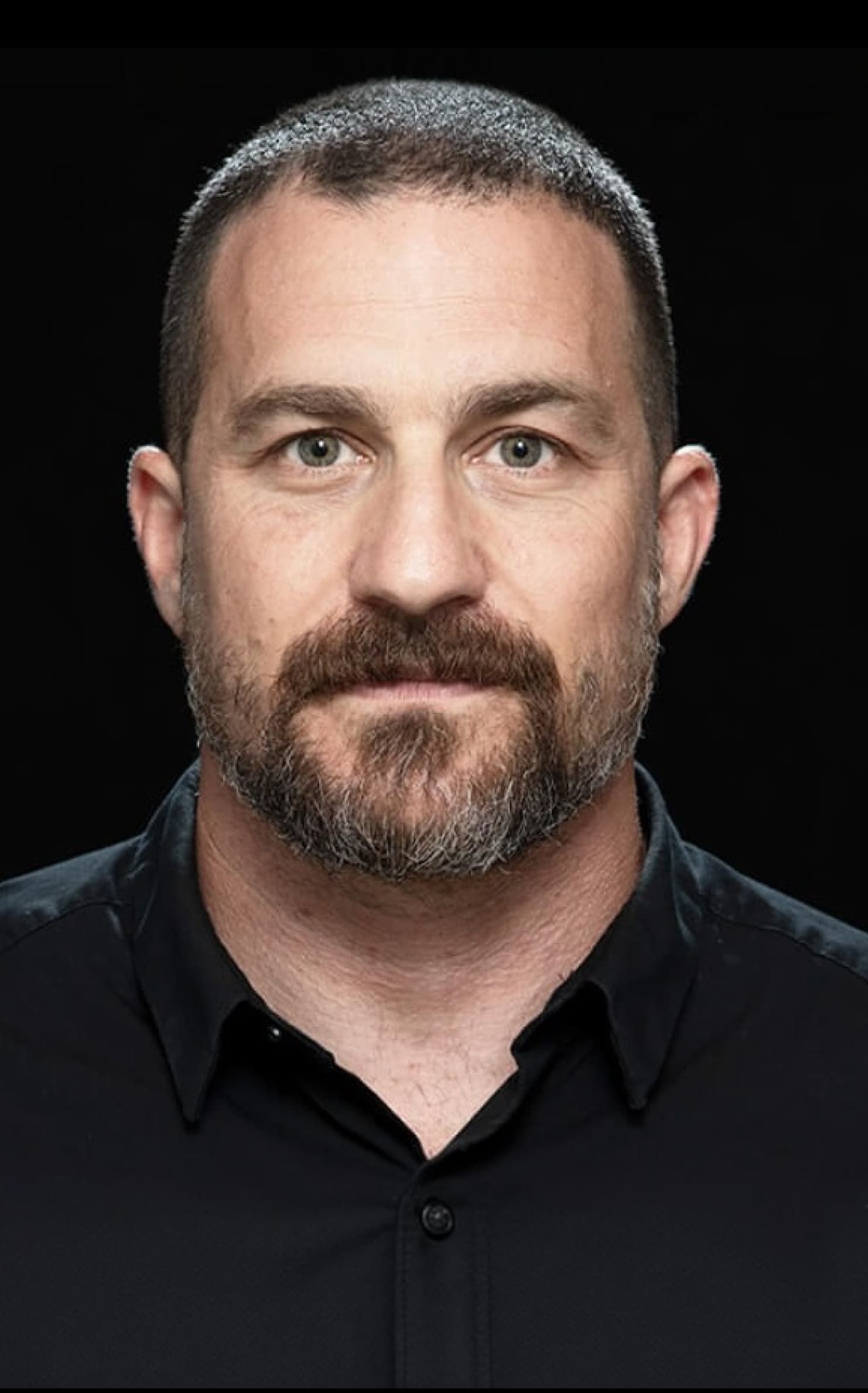
Dr. Andrew Huberman
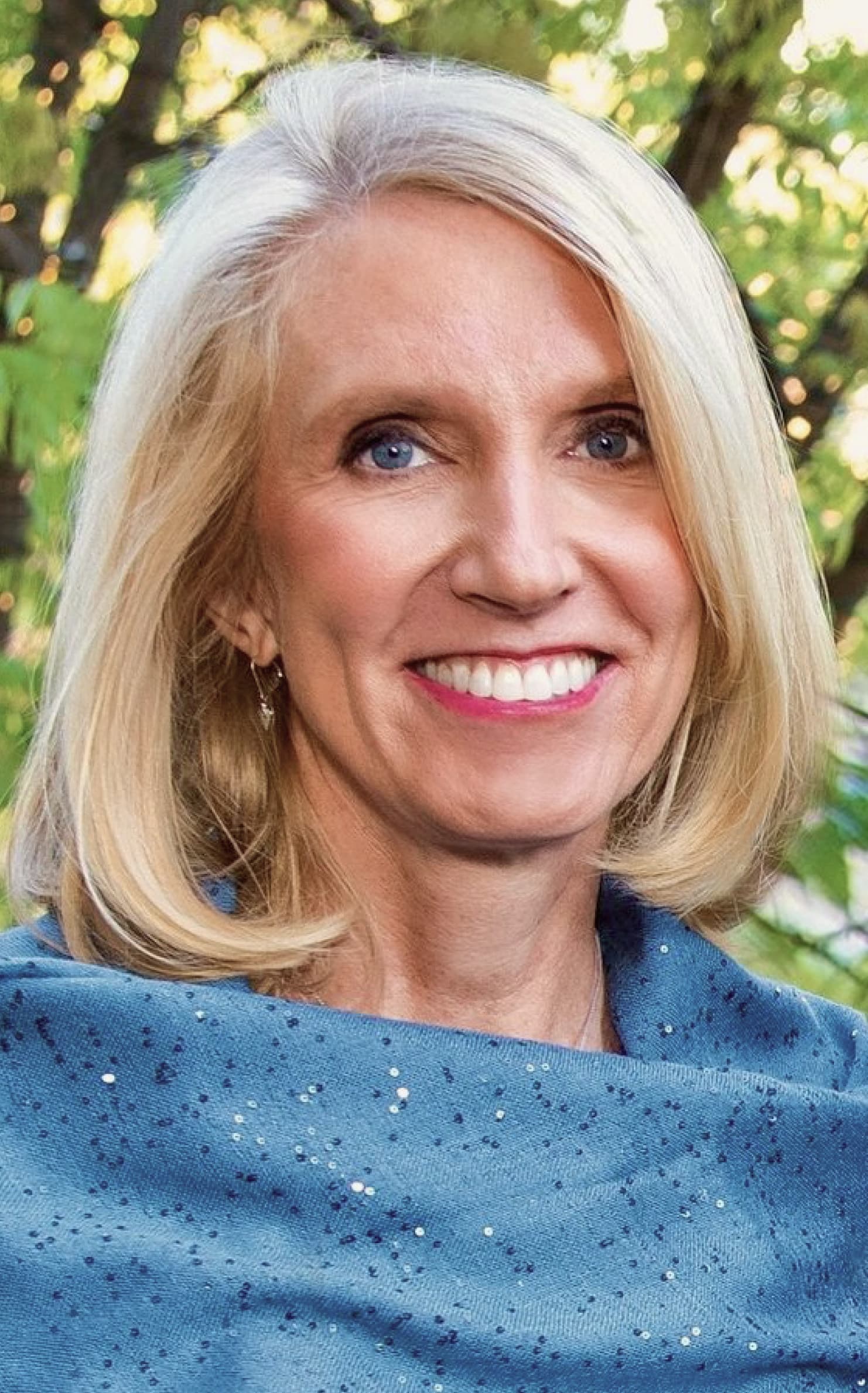
Dr. Kari Nadeau
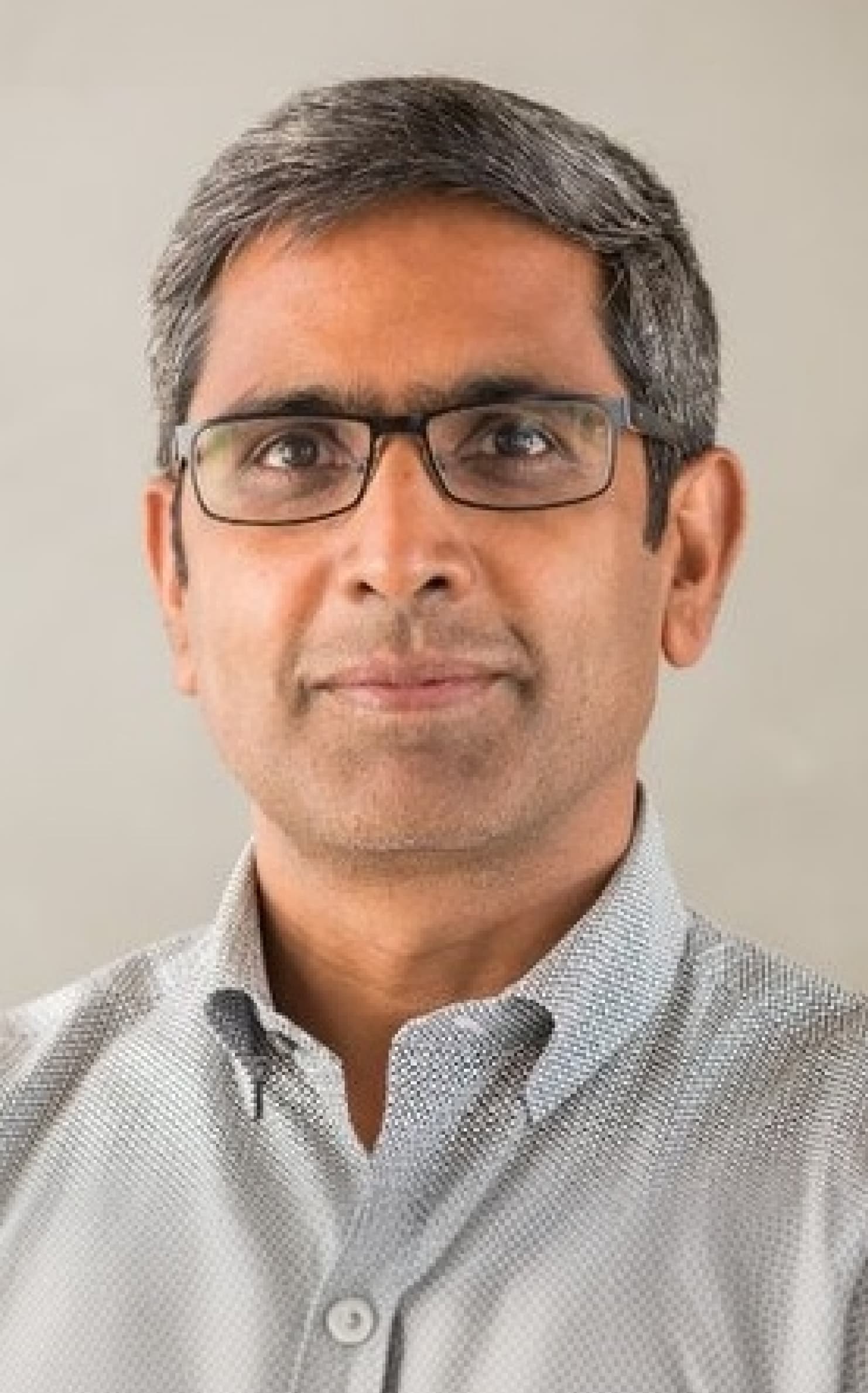
Dr. Satchin Panda
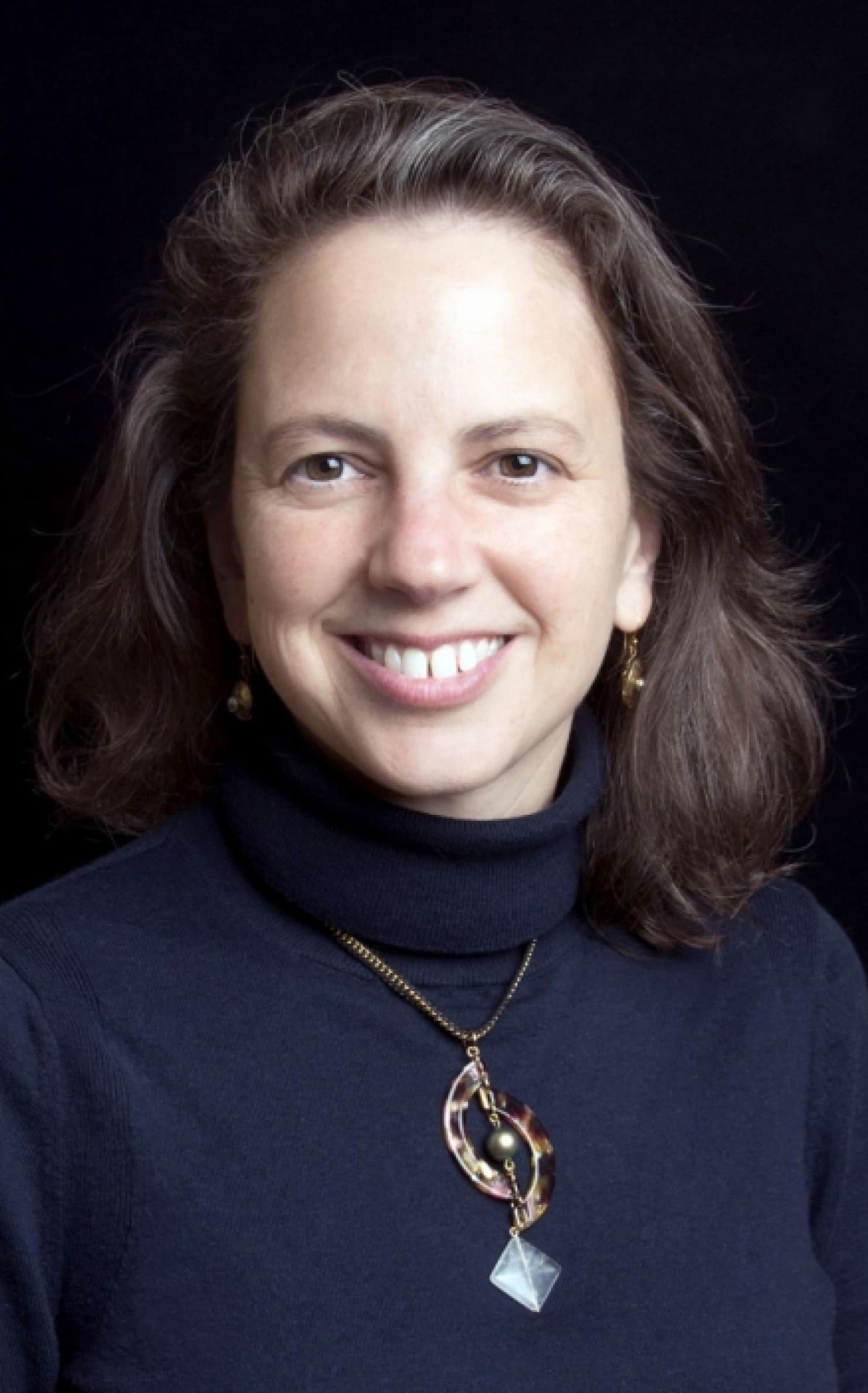
Dr. Joanna Steinglass
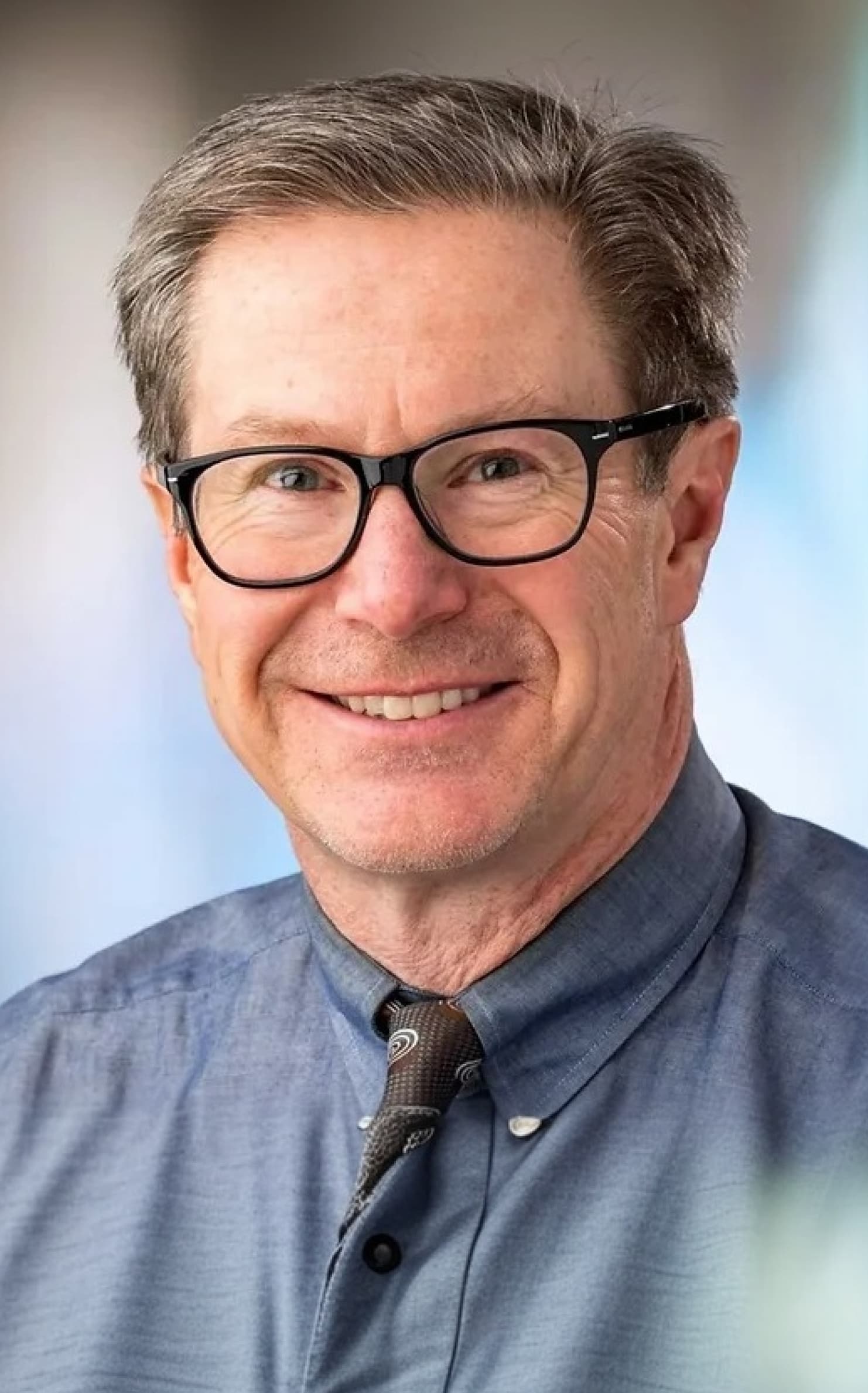
Dr. Keith Jerome
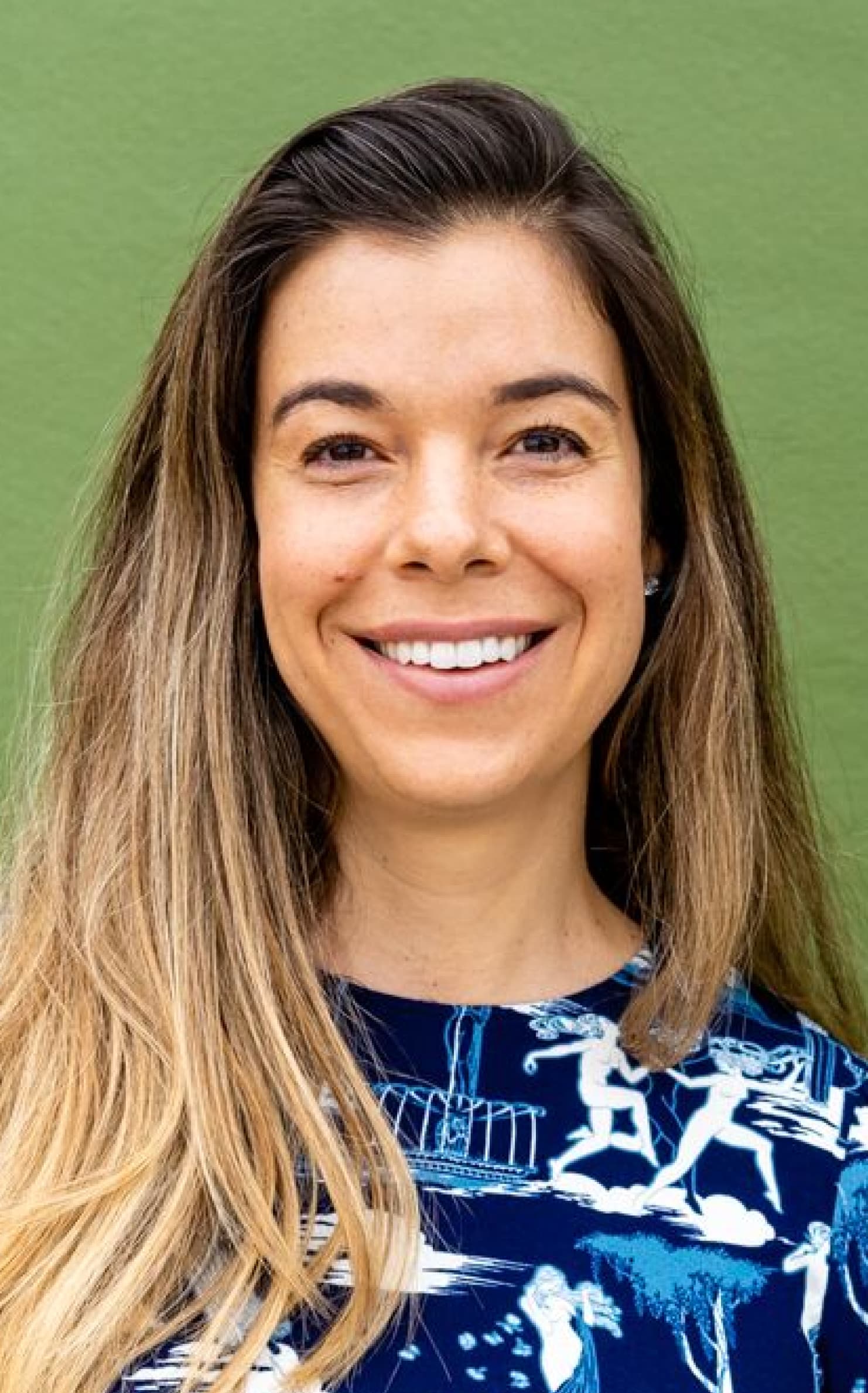
Dr. Rhonda Patrick
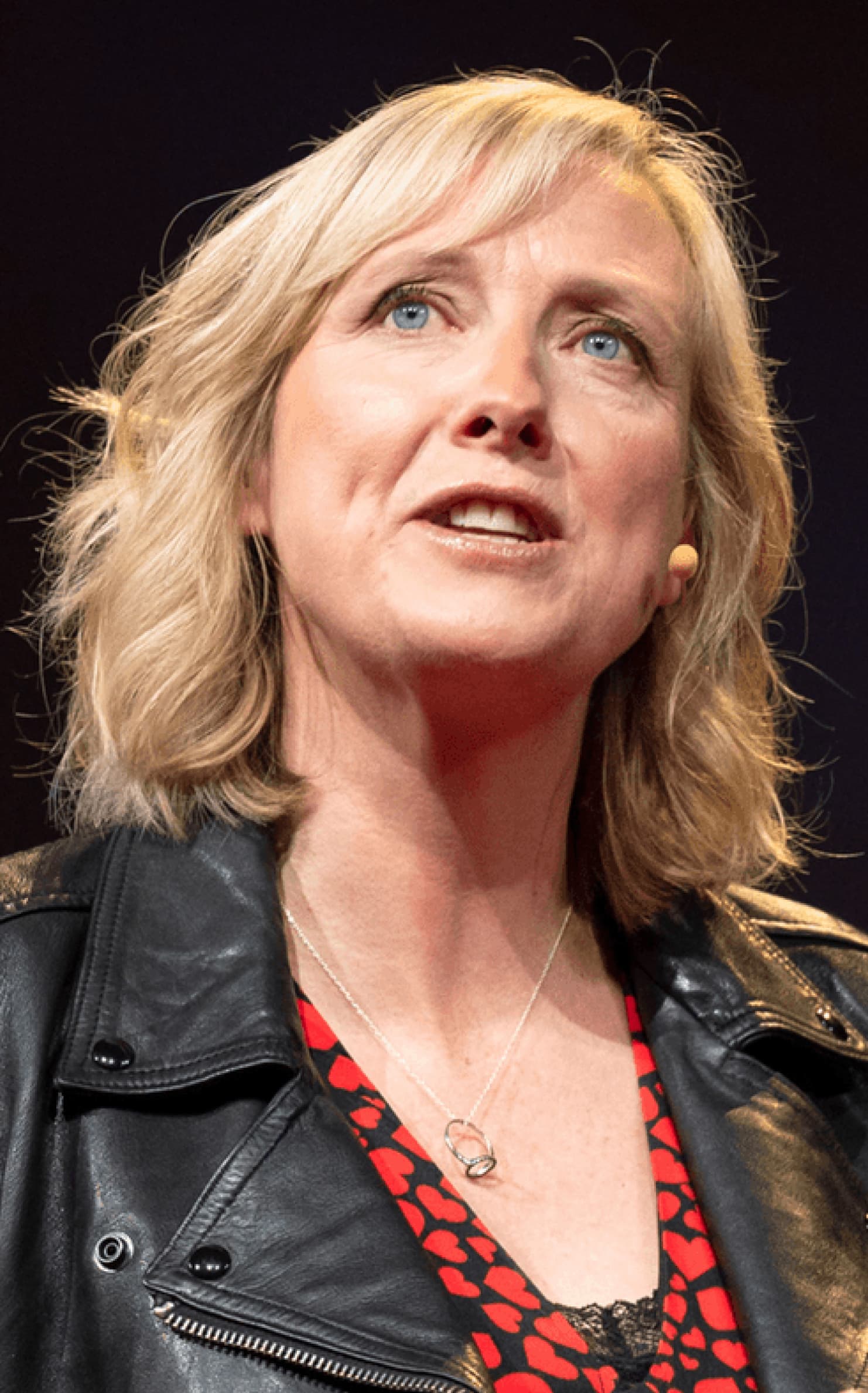
Carole Cadwalladr
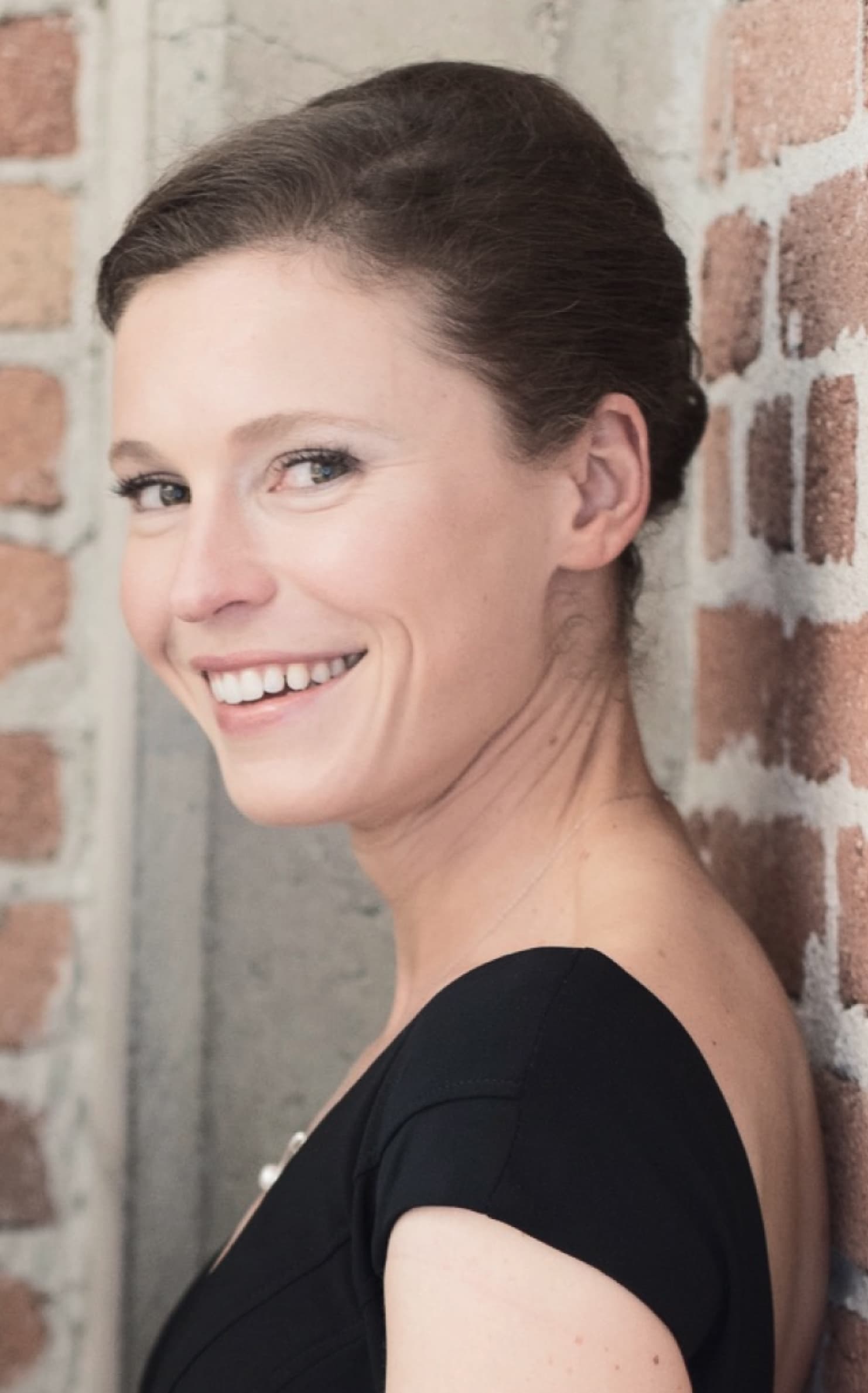
Dr. Ashley Mason
Focus Areas
Medical Research
A single protein blocks Alzheimer's cognitive decline. Gene editing eliminates herpes. Your meal timing matters more than your calories. We fund the scientists proving it.
Journalism
Four million pages of government documents, searchable by anyone. Canada's largest independent podcast network. Investigations no mainstream outlet would touch.
Nonprofit Capacity
The organizations that hold society together run on volunteer hours and donated space. We help them build the capacity to do more.
committed to date
grants made
peer-reviewed papers funded
Grants
Medical Research (18)
Huberman Lab
Stanford University School of Medicine
Dr. Andrew Huberman
How does the brain repair itself after injury? Can a damaged optic nerve regrow? The Huberman Lab at Stanford studies how neural circuits develop, how they break, and how to fix them — from regenerating retinal connections to discovering brain circuits that control fear and anxiety responses.
Chronobiology
Salk Institute
Dr. Satchin Panda
It doesn't matter what you eat. Mice fed identical high-fat diets gained 28% less weight when meals were restricted to a 8-10 hour window. This research is proving that when you eat may matter more than calories, macros, or willpower.
Mindsets
Stanford
Dr. Alia Crum
Same milkshake, different label. Tell someone it's 620 calories and their ghrelin drops three times more than if you say it's 140. Hotel attendants told their work "counts as exercise" lost weight without changing a single habit. This lab studies how belief reprograms the body.
Alzheimer's Disease
USC
Dr. Hussein Yassine
One in four people carry a gene that dramatically raises their Alzheimer's risk — and most don't know it. This research developed a novel imaging probe to study why omega-3 fatty acids may protect APOE4 carriers, potentially reaching 75 million Americans before symptoms start.
Neuroplasticity
Stanford
Dr. Carla Shatz
For decades, scientists assumed Alzheimer's plaques destroyed the brain. Then blocking a single protein called PirB restored cognition in mice — with the plaques still there. This discovery suggests we've been chasing the wrong target, and a new class of treatments is possible.
Psychiatric Disorders
Stanford
Dr. Nolan Williams
300 million people worldwide have depression. Standard antidepressants fail a third of them, and nothing has fundamentally changed in 40 years. This lab applies spaced learning theory to brain stimulation — developing new protocols for treatment-resistant depression, chronic pain, and OCD.
Eating Disorders
Columbia
Dr. Joanna Steinglass
Anorexia has the highest mortality rate of any psychiatric illness — higher than depression, schizophrenia, or PTSD. Yet most treatments haven't changed since the 1970s. This research uses cognitive neuroscience to map how the brain drives the disorder and build new ways to interrupt it.
Chronic Depression
UCSF
Dr. Ashley Mason
Can a hot bath treat depression as effectively as an SSRI? Early trials say yes. This program runs rigorous clinical trials on whole-body hyperthermia, cold water immersion, thermal insomnia treatments, and wearable algorithms — a full non-drug toolkit for chronic depression.
Esophageal Cancer
UBC
Dr. Shane Duggan · Dr. Dermot Kelleher
By the time esophageal cancer causes symptoms, five-year survival drops below 20%. There are no reliable early warning signs — yet. This project uses organ-on-chip models and single-cell spatial genomics to find biomarkers that could catch the disease years before it kills.
Pernicious Viruses
UW/Fred Hutch
Dr. Keith Jerome
Imagine curing HIV, herpes, or hepatitis B — not managing them, curing them. Gene editing can now perform molecular surgery on viral DNA hiding inside your cells. This lab is building those therapies and investigating a growing link between herpes simplex and Alzheimer's.
Allergies
Stanford/Harvard
Dr. Kari Nadeau
Your allergies aren't in your head — they're getting worse every year. Rising CO2 levels are making pollen seasons longer, more intense, and reaching cities that never had them. This research maps exactly how climate change is rewiring the allergy epidemic and what interventions can slow it.
Psychology of Crime
Royal Ottawa
Dr. Michael Seto · Daemon Fairless
Online forums for people attracted to children have millions of users — and nearly zero connection to mental health services. What if those spaces could become a bridge to treatment instead of reinforcing harm? This research studies that counterintuitive question directly.
Prenatal Diet
Fatty Acid Research Institute
Dr. William Harris · Dr. Rhonda Patrick
A child's cognitive development may be shaped years before birth by nutrients most obstetricians don't test for. This study measures omega-3 and vitamin D levels in cord blood to quantify exactly how much a mother's prenatal nutrition changes her baby's brain.
Longevity (TRIAD)
Dog Aging Project
What if a cheap, existing drug could add years to your life? Low-dose rapamycin extends lifespan in mice by up to 25%. The Dog Aging Project is running the largest double-blind trial of the drug in companion dogs — because what works in dogs is far more likely to work in us.
Rare Disease
Isaac Foundation
A child with MPS may seem healthy at birth, then slowly lose the ability to walk, speak, and breathe. There is no cure. The Isaac Foundation has funded over $1M in global research since 2007, building toward treatments one grant at a time.
Pain Management
SABI Mind
Millions of chronic pain patients are stuck between opioids that addict and over-the-counter pills that don't work. SABI Mind runs ketamine therapy clinics in Victoria and Calgary — proving that psychedelic-assisted treatment works outside the lab, in real clinical settings.
Substance Abuse
Whylome
The 12-step model turns 90 this decade. Neuroscience, pharmacology, and digital health have transformed every other field of medicine — but addiction treatment barely changed. Whylome accelerates that convergence into therapies that actually reach patients.
Rare Tumors
Children's Tumor Foundation
Imagine tumors growing on every nerve in your body — pressing on your spine, your brain, your skin. That's neurofibromatosis, and it affects 1 in 3,000 people. The Children's Tumor Foundation unites patients, researchers, and pharma to accelerate drug discovery for NF.
Journalism (4)
Investigative Reporting
Investigative Journalism Foundation
Zane Schwartz
4 million pages of internal government documents — and growing. The Investigative Journalism Foundation is building Canada's largest public-interest database, expanding into six new repositories and white-collar crime coverage no one else will touch.
Democracy
The Citizens
Carole Cadwalladr
After exposing Cambridge Analytica, Carole Cadwalladr didn't stop. She built The Citizens — an organization running campaigns and investigations that hold Big Tech and political leaders accountable for disinformation, election manipulation, and regulatory capture.
Local Journalism
Canadaland
Jesse Brown
When legacy Canadian media wouldn't publish the Jian Ghomeshi or WE Charity stories, Canadaland did. Canada's first independent podcast network does the investigations and accountability reporting that corporate-owned outlets won't fund — backed by listeners, not advertisers.
In-Depth Reporting
Various
No newsroom will spend six months on a story with no guaranteed audience. That's why the most important investigations never get written. These grants go directly to journalists pursuing long-form public-interest work that every outlet turned down.
Nonprofit Capacity (3)
National Advocacy
Imagine Canada
Canada has 170,000 charities. The oil industry has a dozen lobbyists for every one of them. Imagine Canada is building the nonprofit sector's first unified political voice — working to get charitable priorities into national party platforms.
Local Advocacy
Vantage Point
BC's nonprofits employ more people than mining, oil, and gas combined — yet they've never had a coordinated voice in provincial policy. Vantage Point is building the BC NonProfit Network to change that, creating the sector's first real coalition.
Entrepreneurship
UVic Gustavson School of Business
A UVic student pitched a business idea at a campus competition and walked away with $24K to build it. Every year at the Tiny Summit, Gustavson alumni turn academic knowledge into real companies — it's where the next generation of founders gets their first funding.
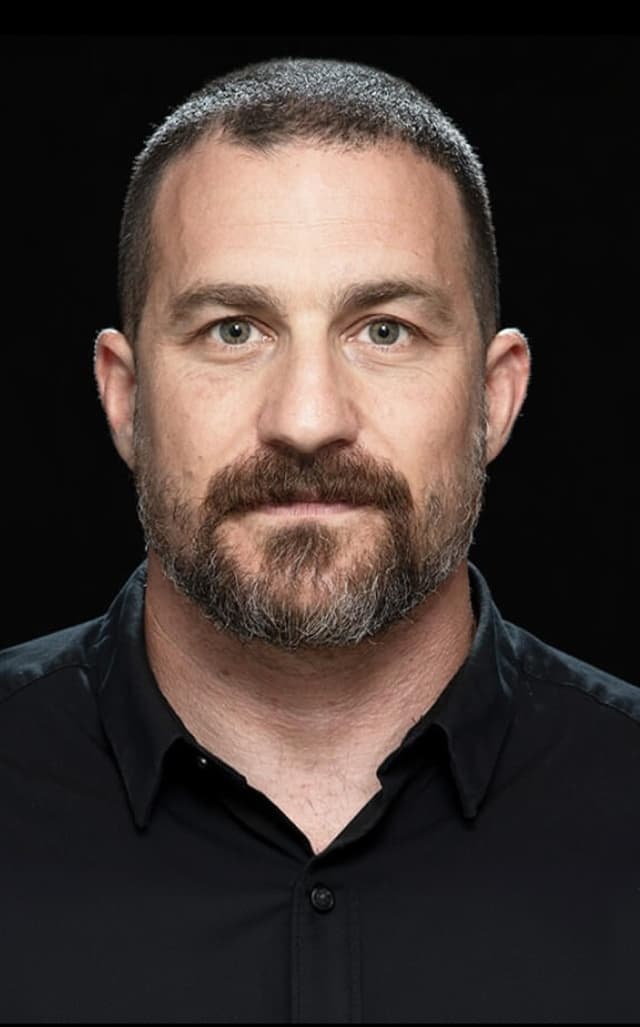
Huberman Lab Partnership
Tiny Foundation is the matching donor for the Huberman Lab, funding human studies hand-picked by Dr. Andrew Huberman. Every dollar raised is matched — and in 2024, two additional donors doubled the match again, turning every dollar into four.
Over $1M has reached scientists studying everything from how your mindset reshapes your physiology to whether a single session of brain stimulation can lift treatment-resistant depression.
Funded Research
Dr. Alia Crum
Stanford
How changing your beliefs changes your body
Dr. Satchin Panda
Salk Institute
Time-restricted eating and metabolic health
Dr. Carla Shatz
Stanford
Brain wiring during critical development windows
Dr. Joanna Steinglass
Columbia
Neuroscience-based treatments for anorexia
Dr. Nolan Williams
Stanford
Neurostimulation and psychedelics for depression
Dr. Ashley Mason
UCSF
Treating depression with hyperthermia and cold exposure
Giving Back Locally
Most of our giving targets the biggest problems we can find, wherever they are. But we live on Vancouver Island, and we've seen what a $10,000 grant can do for a local nonprofit that runs on volunteer hours and donated space — cover a year of food boxes, keep a crisis line staffed through winter, or put 30 kids in after-school programs. So we give locally too.

Why We Do This
We’re Andrew Wilkinson and Zoe Peterson. Andrew built a company called Tiny, and somewhere along the way we got luckier than either of us ever expected.
In 2023, we signed The Giving Pledge — a commitment to give away the majority of our wealth during our lifetimes. It wasn’t a hard decision. We didn’t want to be the kind of family whose great-grandchildren buy Formula 1 teams with money they didn’t earn.
The harder question was always how to give well — finding people doing work that matters and getting out of their way. Tiny Foundation is our answer.
“Those who have been favored by nature, whoever they are, may gain from their good fortune only on terms that improve the situation of those who have lost out.”